About Kea Aerospace
Kea Aerospace is a New Zealand aerospace company pushing the boundaries of high-altitude flight and sustainable aircraft technology. Their mission is to create insights from the stratosphere that improve life on our planet. Kea achieves this by developing large, unmanned, solar-powered aircraft (UAVs) designed to operate in the stratosphere for months at a time, carrying advanced payloads and collecting valuable data from a unique vantage point high above the Earth.
These aircraft are High Altitude Platform Stations (HAPS), effectively “pseudo-satellites”, that bridge the gap between conventional aircraft and space-based systems. By combining the persistence of satellites with the flexibility and recoverability of aircraft, Kea’s platforms enable continuous, cost-effective services across applications such as environmental monitoring, maritime awareness, disaster response, telecommunications, and atmospheric research.
My Involvement at Kea Aerospace
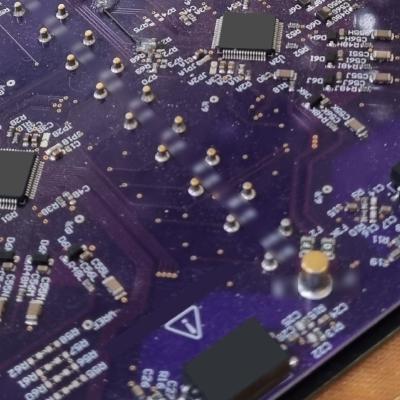
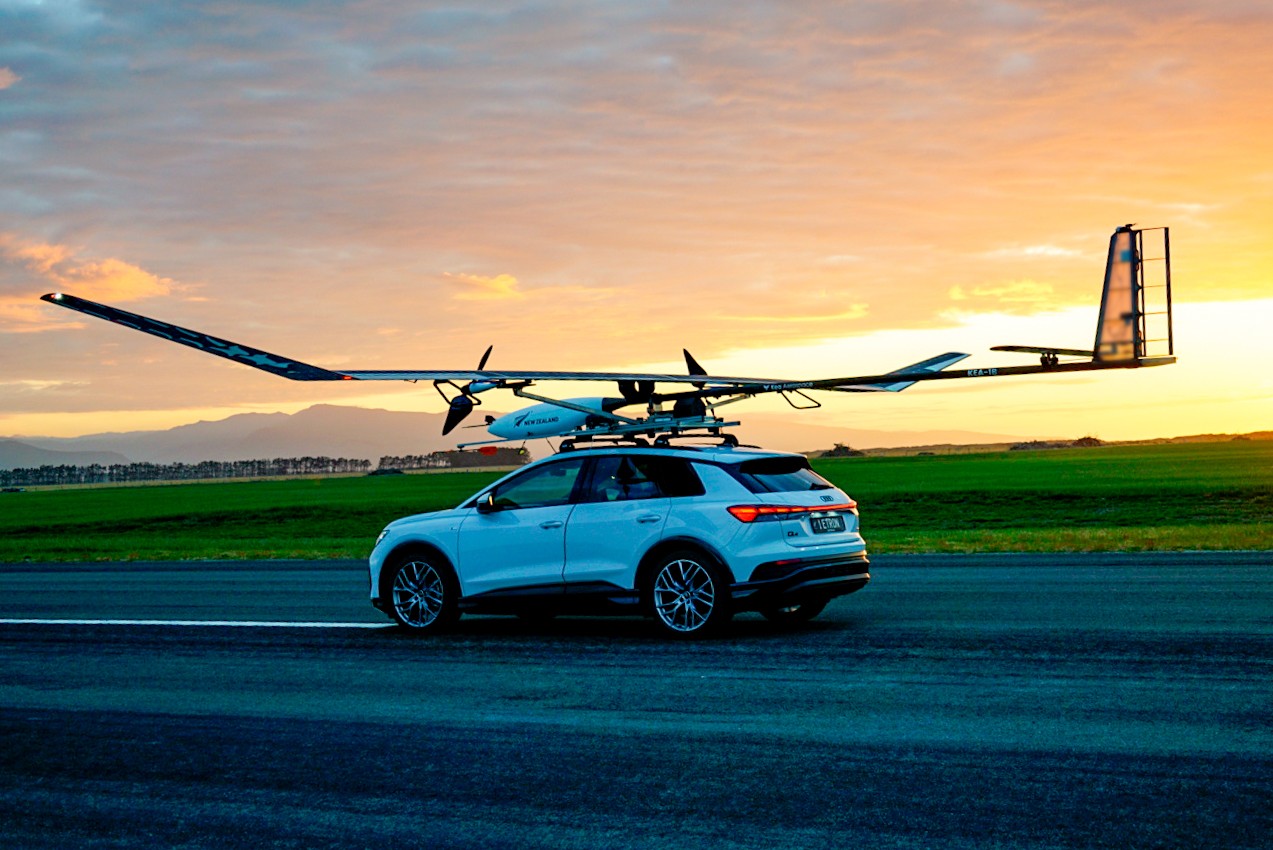
I joined Kea Aerospace in its early stages, growing with the company from Junior Avionics Engineer to Avionics & Power Engineer, and ultimately Avionics Design Lead. Over this time, I worked across the full lifecycle of Kea Atmos Mk1, a 12.5 m wingspan stratospheric aircraft, taking it from early electrical architecture and prototype PCBs through to validated, flight-ready systems operating in the stratosphere.
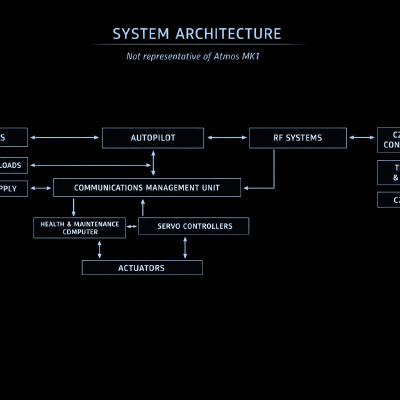
My role evolved from hands-on hardware design into full system ownership and technical leadership. I led the development of aircraft and ground support (GSE) electronic architectures, developed high-energy-density battery packs and various other power systems, optimised long-range (150+ km) RF command-and-control (C2) links, and collaborated closely with external partners. As Avionics Design Lead, I oversaw electronics across all programs, mentored engineers and students, led a team of up to eight, and defined many of the engineering standards and processes that shaped the direction of the company’s aircraft programs. I also played a central role in flight operations by helping define test objectives and milestones, and also performing real time in-flight data analysis and troubleshooting of issues.
Beyond the Atmos aircraft program, I led full system design and implementation for other smaller aircraft platforms used for training and R&D testing. I also developed a company-wide flight analysis toolkit for offline data processing, improving post-flight insight and engineering feedback loops. In parallel, I was responsible for IT infrastructure and server management.
Program Scale
- 12.5m wingspan, fully electric aircraft
- Multi-disciplinary team across mechanical, electrical and software domains
- Long endurance flight operations in stratospheric conditions
- In-house R&D and New Zealand made
Engineering Challenges
Developing reliable avionics for long-endurance, solar-powered stratospheric flight required overcoming challenges in energy density, efficiency, thermal management, RF reliability, and system redundancy.
Impact & Outcomes
- Designed electronics capable of reliable operation in harsh stratospheric environments, including low temperatures and reduced air density.
- Designed and built high-energy-density Lithium battery packs meeting weight, safety, and endurance requirements for long-duration flight.
- Architected and iterated full electrical systems across multiple UAV platforms, achieving validated flight performance and system reliability.
- Integrated avionics and power systems into multiple airframes with high operational confidence.
- Contributed to successful stratospheric flight campaigns and progressive aircraft capability development.
Core Domains
- Embedded systems & PCB design
- Lithium battery systems
- Solar system integration and solar panel design
- Power electronics and power distribution
- RF communications (UHF–10 GHz)
- Ground support systems & network architecture
- Flight test engineering and operations
My time at Kea Aerospace represents my transition from engineer to systems owner — responsible not only for design, but for integration, validation, and operational execution.